Autumn gas safety update: five checks before heating season
As boilers and gas fires return to regular use, this is a good point to check the basics: the engineer, the appliance history, ventilation, alarms and the emergency number.
1. Check the engineer, not just the company name
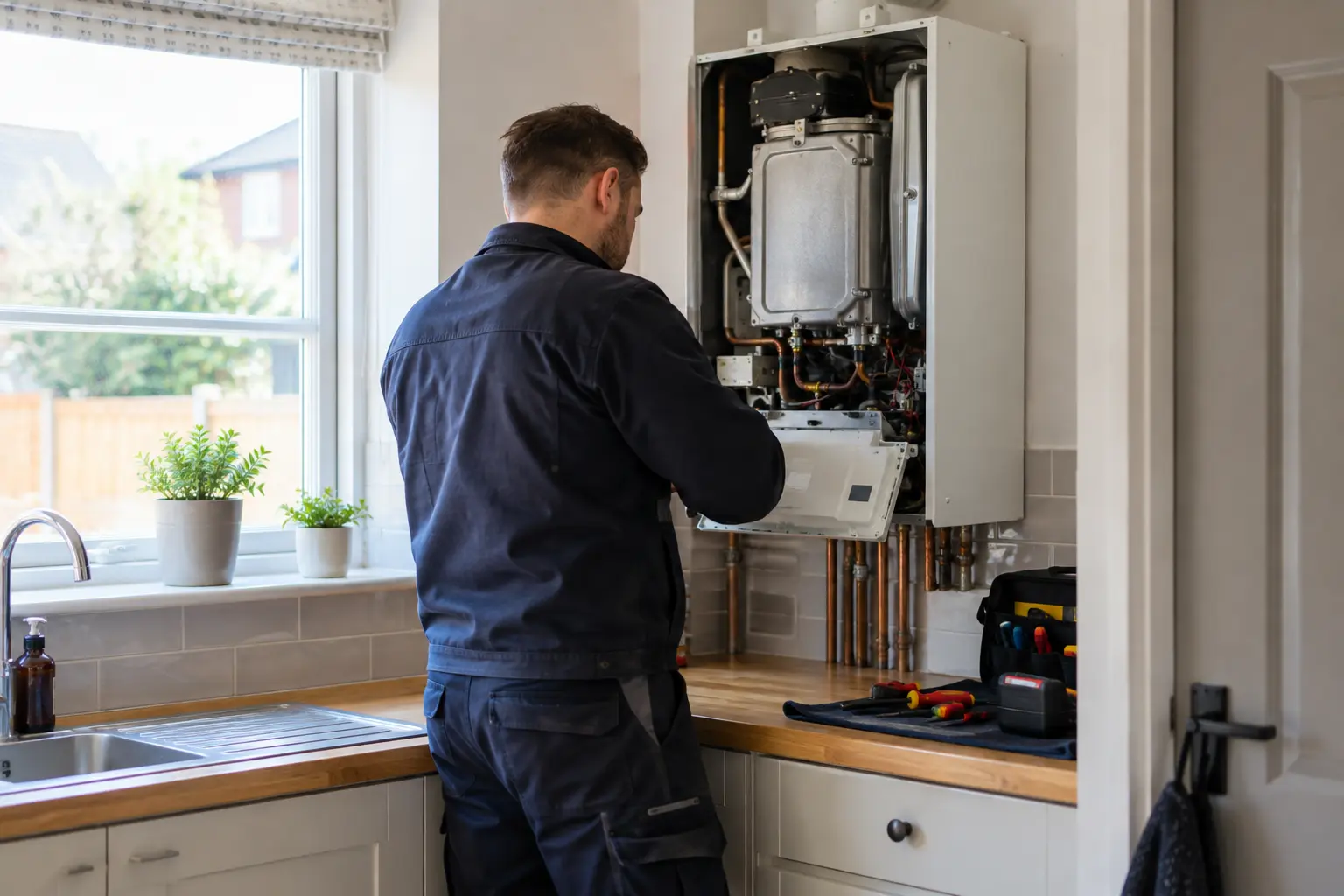
Gas Safe Register is the official list of businesses and engineers legally allowed to work on gas in the United Kingdom. Ask to see the engineer’s current ID card and check that the work categories on the back cover the appliance and fuel at your property.
A business registration does not mean every individual engineer is qualified for every type of gas work. The official register lets you check a business or an individual engineer before work starts.
2. Put annual checks and servicing on the calendar
Routine maintenance and a safety check are related but not identical. A homeowner normally arranges servicing in line with the appliance manufacturer’s instructions. A landlord has separate legal duties for relevant gas appliances and flues supplied for tenants.
For managed properties, record the appliance list, due dates, access contact and person authorised to approve remedial work. This helps prevent a booking for one appliance being mistaken for a complete property check.
3. Test carbon monoxide alarms
Test alarms using the manufacturer’s test button and replace batteries or the whole alarm when its instructions require. An alarm is an important warning device; it does not replace correct installation, maintenance or safety checks.
If an alarm sounds or anyone has symptoms that could be carbon monoxide exposure, move to fresh air, get help and do not wait for an ordinary service appointment.
4. Keep vents, flues and appliance areas clear
Do not cover permanent ventilation or block a flue terminal. Avoid storing items around a boiler in a way that obstructs access or ventilation. If you see staining, damage or something has changed around the appliance, stop guessing and arrange competent advice.
5. Save the emergency number
For a suspected mains-gas escape or suspected carbon monoxide, get to a safe place and call the National Gas Emergency Service on 0800 111 999. LPG users should follow their supplier’s emergency instructions. If someone is seriously unwell or in immediate danger, call 999.
Read the full guidance
Links and scheme details were checked on 28 September 2026. External information can change.